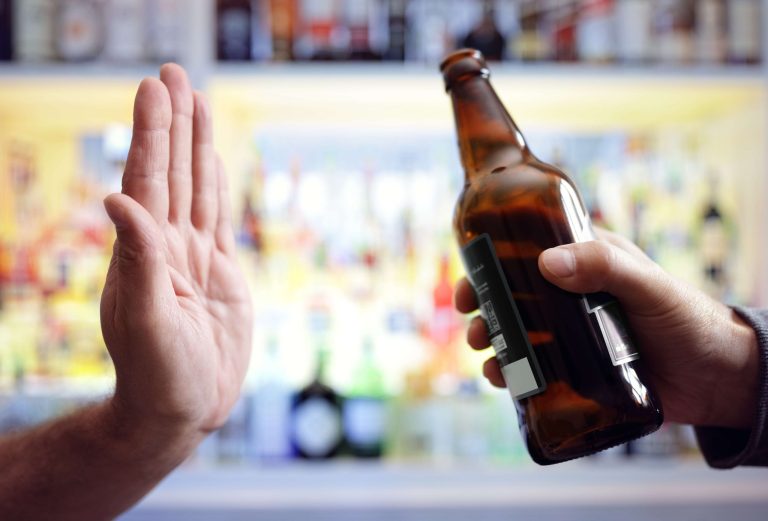
If you or someone you know is taking https://ecosoberhouse.com/ blood thinners, you might want to know if there are any potential issues of mixing alcohol and blood thinners. To stay safe and support your overall well-being, it’s best to avoid alcohol entirely while taking blood thinners. Some people may initially follow these recommendations but become tempted to increase their alcohol intake over time. About 30 grams of alcohol — equating to two standard drinks — can lower fibrinogen levels, which can affect blood clotting. Therefore, people should always check with a doctor or pharmacist whether it is safe to drink alcohol with a particular blood thinner. This isn’t just about following rules; it’s about understanding your body and your medication on a deeper level.
What foods should I avoid while on Eliquis?
A rare reaction called heparin-induced thrombocytopenia (HIT) can trigger clotting while platelets fall, which can include clots in the lungs. Call emergency services for severe symptoms (911 in the U.S.). Missing doses is one of blood thinners and alcohol the biggest reasons anticoagulation fails, since many of these drugs wear off within a day. If you feel new chest pain or sudden breathlessness, treat it as urgent even if you have been taking your medication. Breathlessness on a blood thinner can point to bleeding/anemia, a lung clot, allergy, or heart strain and needs urgent checks.
Our Treatment Centres
The extent varies depending on the individual, the type drug addiction of medication, and other health factors. Lastly, side effects such as nausea, dizziness, or headaches linked to blood thinners can indirectly make you feel drained. When your body is coping with these symptoms daily, low energy often follows. When it comes to the health of your blood vessels, have a conversation with your doctor.
- They interfere with clotting proteins or platelets, ensuring blood flows smoothly through vessels without thickening or clotting excessively.
- If your blood doesn’t clot enough, an injury can cause severe blood loss or even death.
- This may lower your risk for the type of strokes caused by blockages in blood vessels.
- Alcohol affects how well your blood clots, potentially negating the effects of the blood thinners or increasing them to a dangerous level.
Is alcohol really a blood thinner and how does it affect blood clotting?
- Add protein sources like grilled chicken or tofu, and incorporate colorful veggies like bell peppers, cucumbers, or carrots.
- The J-Curve DebateYou may have heard references to a “J-curve” linking moderate alcohol usage to lower rates of coronary artery disease.
- Your personal limit might be much lower, or it might be zero.
- Alcohol can interfere with blood thinners and significantly increase your risk of dangerous bleeding.
If you are drinking more alcohol units than recommended while taking prescription blood thinners, talk to your doctor. It may be that alongside your need for anticoagulants, you need help to deal with your relationship with alcohol. Even if you don’t consider yourself a heavy drinker, regular alcohol use can impact negatively your blood-thinning medication. Each of these drugs has a specific mechanism of action and risk profile. Any medication that slows blood clotting can interact with certain foods, supplements, or other medications.